
One of the greatest attractions of diving the Egyptian Red Sea is unquestionably its vast aquatic world, home to over 200 different types of coral and 1,200 types of bony fish – more than 10% are endemic red sea animals.
Additionally, sunlight penetrates deeply than in other tropical destinations, allowing an unprecedented coral bloom with vibrant color vibrancies that is truly magnificent.
Dangerous animals in the red sea
Scorpionfish and Stonefish
Stonefish with sharp spines and poison glands act as defense mechanisms against small crustaceans and fish, such as shrimp. Unfortunately, their color blends into their surrounding reef environments, making them dangerous.
Red Sea Walkman scorpionfishes, characterized by their colorful fins, are another toxic species.
If injuries occur, they should be dipped in hot water and treated with painkillers directly for optimal recovery.
However, a poor response underwater can pose a problem for divers.
Lionfish
Lionfish, a scorpionfish group, have a dorsal fin with poisonous spines and are typically seen sitting side down under cliffs.
They hunt small fish and crustaceans at night, often inhabiting shipwrecks.
First aid involves hot water and painkillers for painful injuries.
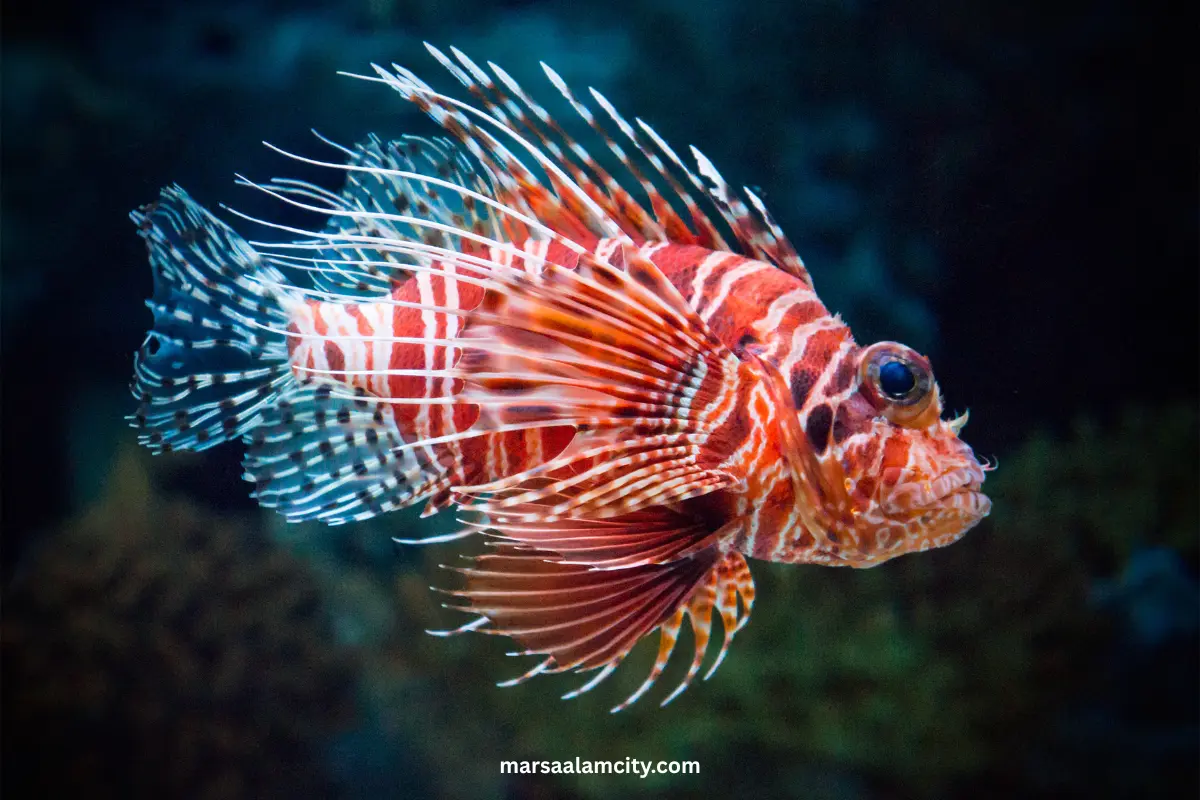
Lionfish
Muray Eels
Moray eels, abundant in the Red Sea, have a serpentine body shape with bare skin and mucus covering.
They grow up to 3 meters and do not attack humans.
However, irritating them can cause painful bites.
Moray eels hunt smaller fish at night, often seen in reef holes during the day.
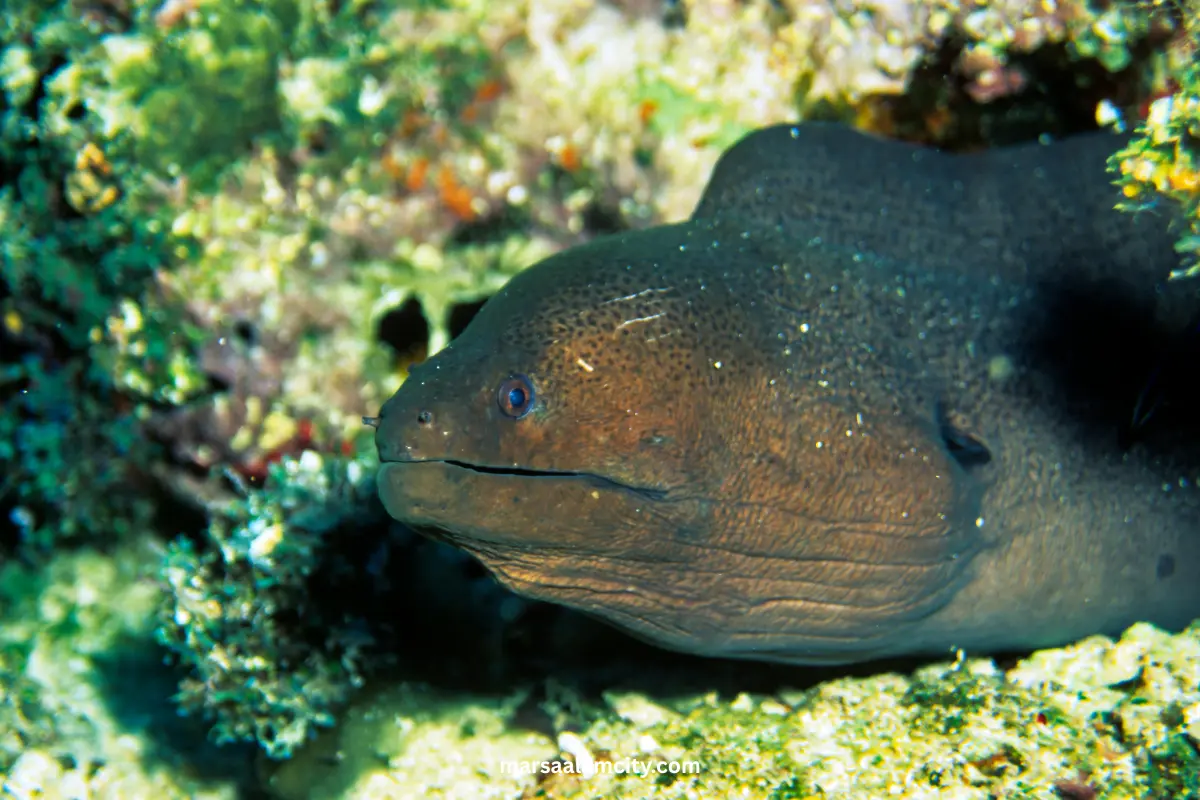
Muray Eels
Sharks
Sharks are fish found around open sea reefs, often seen with whitetip oceanic, tiger shark, and hammerhead sharks.
Some species hunt turtles and sick dolphins, while smaller sharks are shy.
Shark attacks are rare in the Egyptian Red Sea, and snorkeling is not recommended.
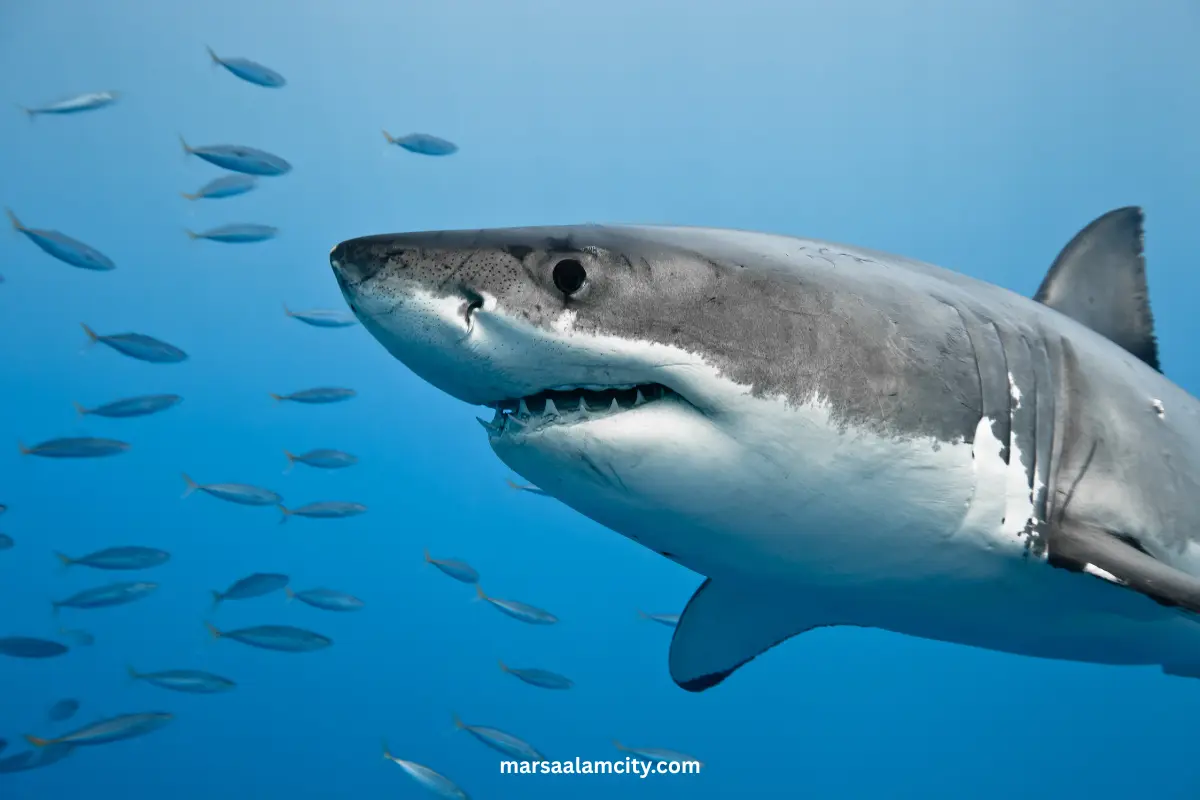
Sharks
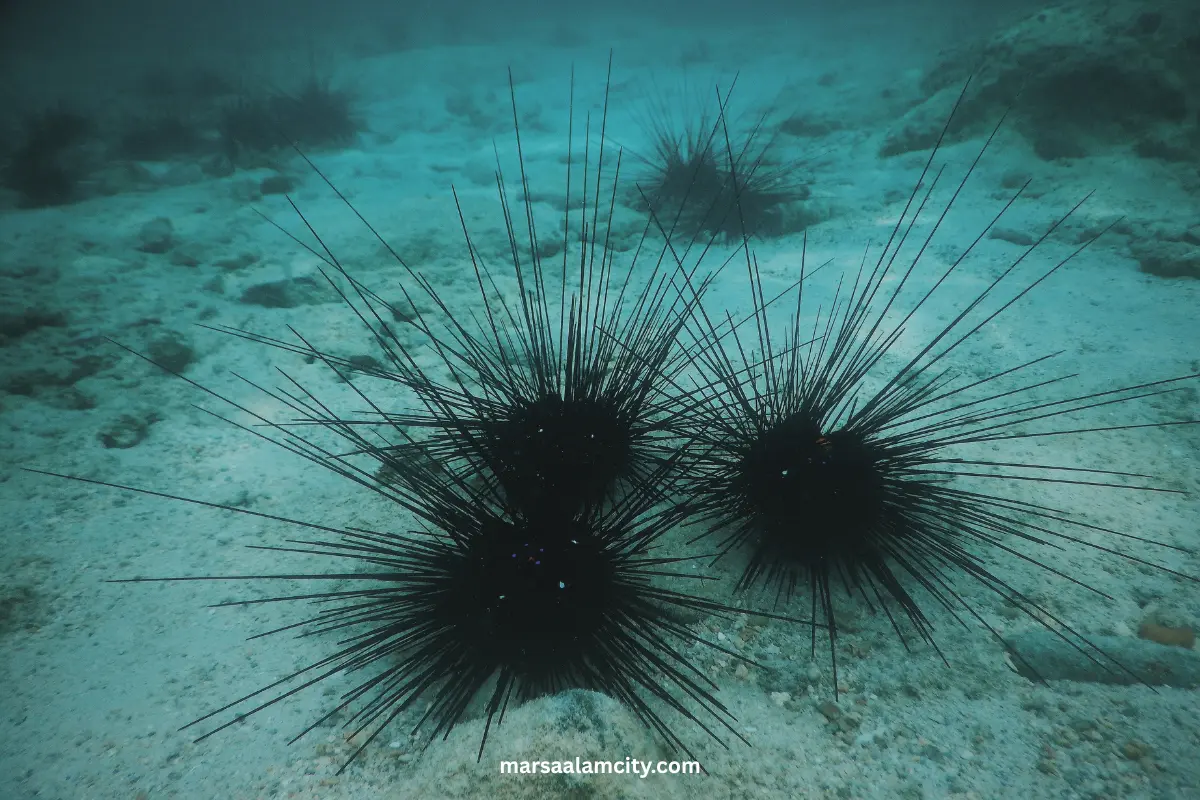
Sea Urchins
Sea urchins pose serious threats when entering water, often by puncturing bare feet with their spines and causing painful and difficult-to-remove puncture wounds.
First aid involves immersion in hot water for 30-40 minutes, followed by tweezers to remove the object, and then application of antiseptic solutions or antibiotic ointments for treatment.
Sea Urchins
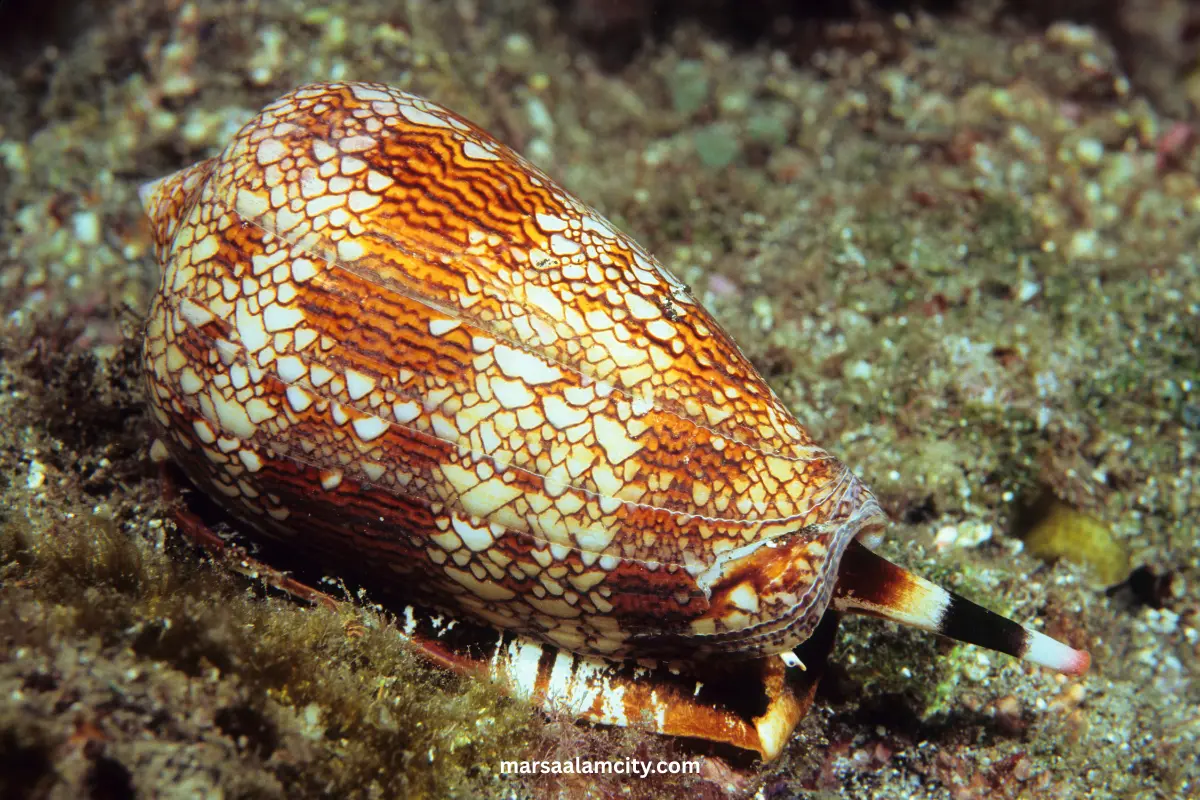
Cone Shells
Cone shell snails pose a great danger to fish. Buried deep within the sand, they lie dormant until detecting undulating siphons that fish could mistake for food sources; their poisonous barb keeps fish away, while some species carry conotoxin venom, which causes rapid and fatal reactions if touched directly by this creature.
Cone Shells
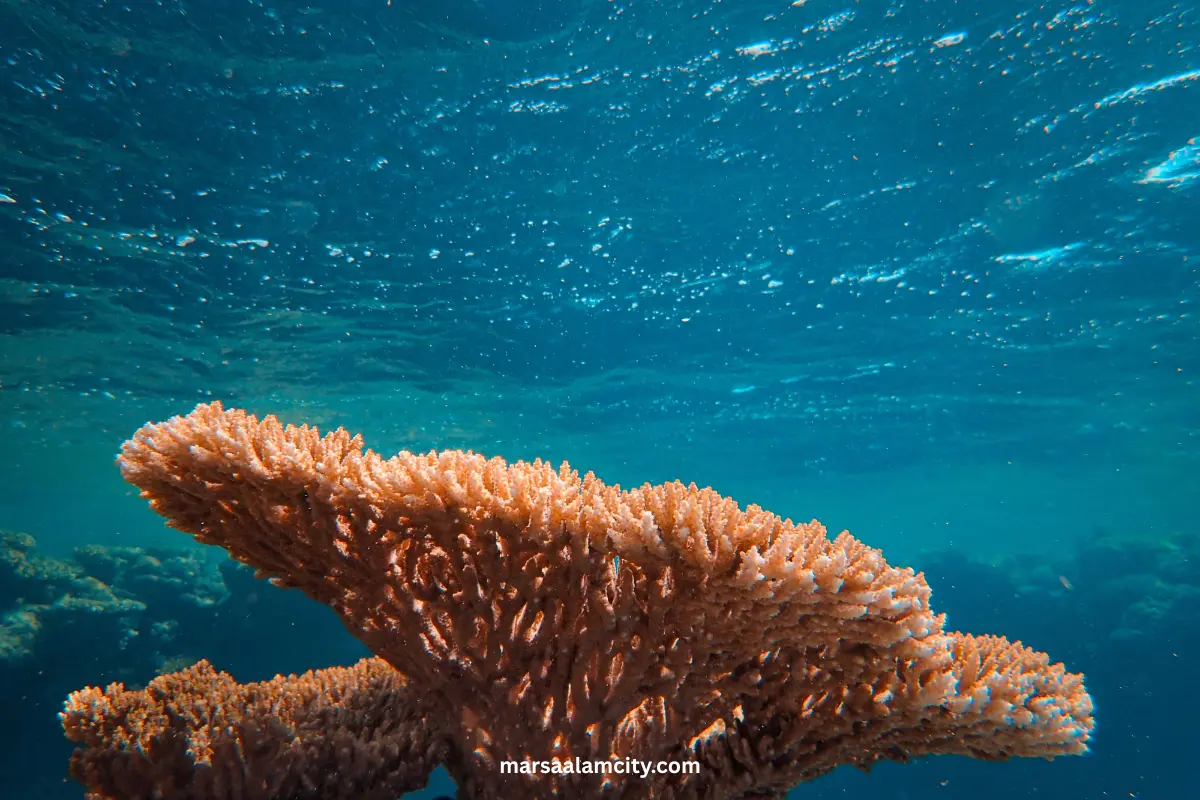
Fire Coral
Coral can cause painful burns if broken as souvenirs or while snorkeling in shallow reefs.
First aid involves treating the wounds with weak acids, gently scrubbing to keep them clean, thoroughly drying them after each use, and possibly taking painkillers as needed.
Fire Coral
Plants in the red sea
The sea plants or marine fauna are essential to the ecosystems of the ocean; they provide habitats as well as food, shelter, and protection to aquatic animals.
They also aid in the stabilization of the coast and the prevention of erosion.
Sea plants also have economic value and are utilized in the production of food, cosmetics, pharmaceuticals, and biofuels.
However, pollution, over-harvesting, and climate change pose significant threats to the delicate ecosystems.
Conservation efforts are vital in preserving and restoring the populations of sea plants, assuring their longevity and the well-being of the seas.
Being aware of that and pursuing their protection will ensure their sustainability for the next generation.
- Seagrasses (Halophila, Halodule, Thalassia, Cymodocea)
- Mangroves (Avicennia marina, Rhizophora mucronata)
- Algae (green, brown, and red types like Caulerpa, Sargassum, Gracilaria)
Red Sea fish to eat
- Grouper (Hamour) – firm, white meat ideal for grilling or frying.
- Snapper – mild flavor; commonly baked or grilled whole.
- Emperor fish is soft and tasty, and it is widely used in Egyptian seafood dishes.
- Sea bream has a delicate taste and is frequently grilled or roasted.
- Barracuda has a meaty texture and is frequently grilled or cut into steaks.
- Tuna has a deep flavor and can be consumed either fresh or cooked.
- Mullet is a typical Egyptian dish that is usually salted (fesikh) or fried.
- Rabbitfish (Siganus) is a widespread species in the Red Sea with a mild taste.
Top 10 red sea animals
Here’s the top red sea animals names:
- Clownfish are well-known for their orange and white coloration.
- Lionfish are a visually stunning yet poisonous predator.
- Napoleon Wrasse is one of the largest reef fish.
- Dugongs are rare sea cows found in seagrass habitats.
- The Green Sea Turtle is a friendly marine turtle species.
- Dolphins are playful and commonly observed near boats.
- Manta Rays are elegant giants of the sea.
- The Whale Shark is the world’s largest fish.
- Moray eels are long, snake-like reef dwellers.
- The hammerhead shark is a formidable and legendary predator.
Sea animals that are red
- The Red Lionfish has venomous spines and is striped in red and white.
- Red Coral Grouper are bright red reef fish with blue dots.
- Red Starfish (Sea Star) has a vibrant red body and is commonly found on reefs.
- Red Octopus is a little octopus with a vivid red coloration.
- Scarlet Cleaner Shrimp are beautiful red and white shrimp.
- Red crabs, such as those found on Christmas Island.
- Red Sea Slugs (Nudibranchs) are several kinds with vibrant red colors.
- Red Anemonefish (a type of clownfish) has a reddish-orange body.
FAQs About red sea animals
What animal lives in the Red Sea?
The Red Sea is a diverse ecosystem with over 1,200 fish species, 300 coral varieties, and 300 invertebrate species. It also hosts animals like angelfish, clownfish, lionfish, barracudas, dolphins, dugongs, and sea turtles, among others.
Is Red Sea safe to swim?
Yes, swimming and snorkeling in the Red Sea is generally safe if done in designated swimming/snorkeling areas with lifeguards and safety guidelines in place.
What animals are in Egypt’s sea?
- Colorful reef fish (clownfish, butterflyfish, angelfish, and parrotfish).
- Sharks (reef sharks, hammerheads, and whale sharks)
- Dolphin and dugong
- Sea turtles (Green and Hawksbill turtles)
- Moray eels and Lionfish
- Stingrays and Manta Rays
- Octopus and Squid
- Crustaceans include crabs, lobsters, and shrimp.
- Corals and Other Reef Invertebrates
Does the Red Sea have any sharks?
Yes, the Red Sea is home to several species of sharks including reef sharks, hammerheads, whale sharks and oceanic whitetips.
Tours You Can Join:

